

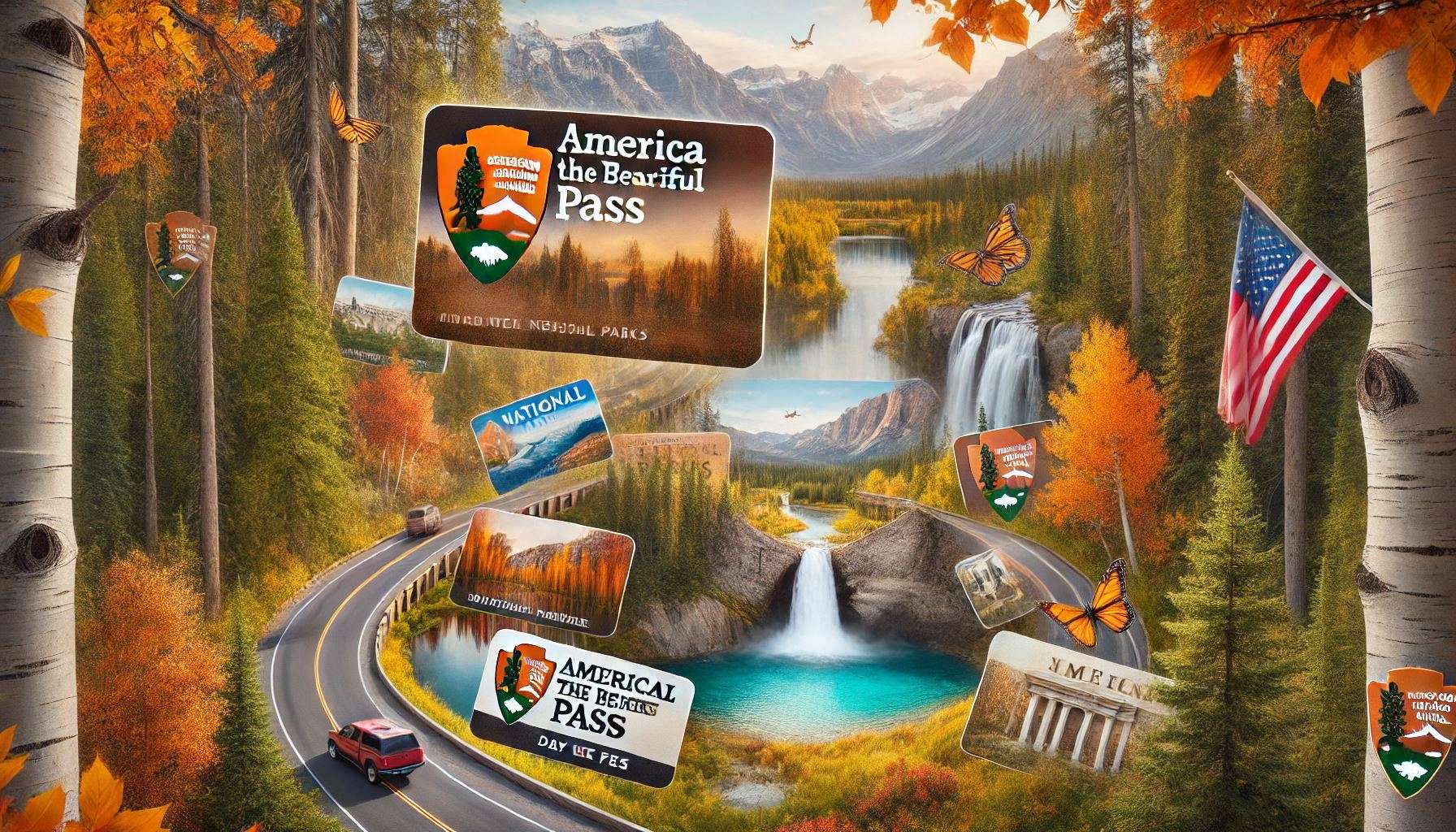
America’s National Parks have always been places where people find awe, peace, adventure, and connection — from towering redwoods to stark desert landscapes and snow-capped peaks. As of January 1, 2026, major changes to the way visitors access and pay for National Parks experiences have taken effect. Whether you’re planning your first road trip through Yellowstone or returning to revisit cherished trails, these updates matter. They reflect a broader shift in policy that aims to modernize entry systems, prioritize resident access, and raise funds for conservation and visitor services. Read More : Breaking Barriers: The Long Road to PayPal for Pakistan
Digital Passes Are Here — A Big Step Forward

Starting in 2026, visitors to National Parks can purchase and use fully digital versions of the America the Beautiful annual pass. This is a game-changer for explorers who value convenience and speed. Gone are the days of waiting weeks for a physical card to arrive in the mail — now, you can buy your pass online through Recreation.gov and carry it on your phone. The new digital format also includes updated validation tools at park entrances that aim to reduce wait times and streamline entry during peak seasons. Read More : Cybersecurity in Finance and Accounting: Key Risks and Mitigation Strategies
The digital shift isn’t just modern — it’s eco-friendly. By cutting down on physical cards and mailings, the National Park Service (NPS) reduces waste, aligns with broader sustainability goals, and empowers visitors to spend more time enjoying parks and less time dealing with logistics. Read More : Exploring Small Capital Business Opportunities for Beginners in 2026
A Two-Tier Pricing System for National Parks Access

One of the most talked-about changes to the National Parks system in 2026 is a new two-tier fee structure that distinguishes between U.S. residents and non-U.S. residents. Under the updated policy:
- U.S. residents will continue to pay $80 for the annual America the Beautiful pass — the same price as before.
- Non-U.S. residents will pay $250 for an annual pass if they choose that option.
- Alternatively, non-U.S. residents without an annual pass will be charged an additional $100 per person fee at 11 of the most visited parks on top of the regular entrance fee.
This pricing structure is intended to ensure that those who might not typically contribute to U.S. tax revenue still help support the care and maintenance of public lands. Critics, however, argue that the new fees may discourage international visitors who historically bring significant tourism revenue to gateway communities around parks. Read More : PayPal for Pakistan: A New Era for Freelancers and Digital Payments
Resident-Only Fee-Free Days — A Celebration of Parks

Along with pricing changes, the NPS has also re-designed the calendar of free entry dates for 2026. These days of free access are now geared toward U.S. residents and aligned with patriotic and historical celebrations, such as Presidents’ Day, Memorial Day, Flag Day, the National Park Service’s birthday, Constitution Day, and Veterans Day. Non-U.S. visitors, meanwhile, are still required to pay entrance fees and any applicable nonresident charges on those dates. Read More : Destination Animal Wonders: Exploring the World’s Most Unique Wildlife Sites
While this might feel like a loss for some global travelers, it’s worth noting that these fee-free days continue to remind us how National Parks are woven into the fabric of American life — meant to be cherished, explored, and protected by the communities that live among them.
New Pass Artwork and Expanded Motorcycle Access

Another exciting update is the refreshed look of the America the Beautiful passes. Both physical and digital versions now feature updated patriotic graphics that showcase America’s landscapes and heritage, reinforcing a theme of shared stewardship.
At the same time, motorcyclists will enjoy a practical improvement: each pass now covers two motorcycles instead of one. This change acknowledges the vibrant motorcycle touring community and makes group adventures more accessible and inclusive.
What Travelers Should Do Next

If you’re planning a 2026 trip to U.S. National Parks, here are a few tips to make the most of the new system:
- Buy passes early: If you’re a non-resident planning extended travel, consider purchasing an annual pass before January to lock in the $80 price before the new structure is enforced.
- Download the digital pass: Add it to your mobile wallet for quick access at busy park gates.
- Know the fee-free days: Planning around resident free days can help you time your visit for maximum savings and meaningful celebration of park culture.
The National Parks of America are living stories — of geological forces, ecological wonders, and human journeys. These pass changes invite us to reflect on how we support these public treasures and how we engage with them responsibly, whether we’re nearby neighbors or world explorers.
