

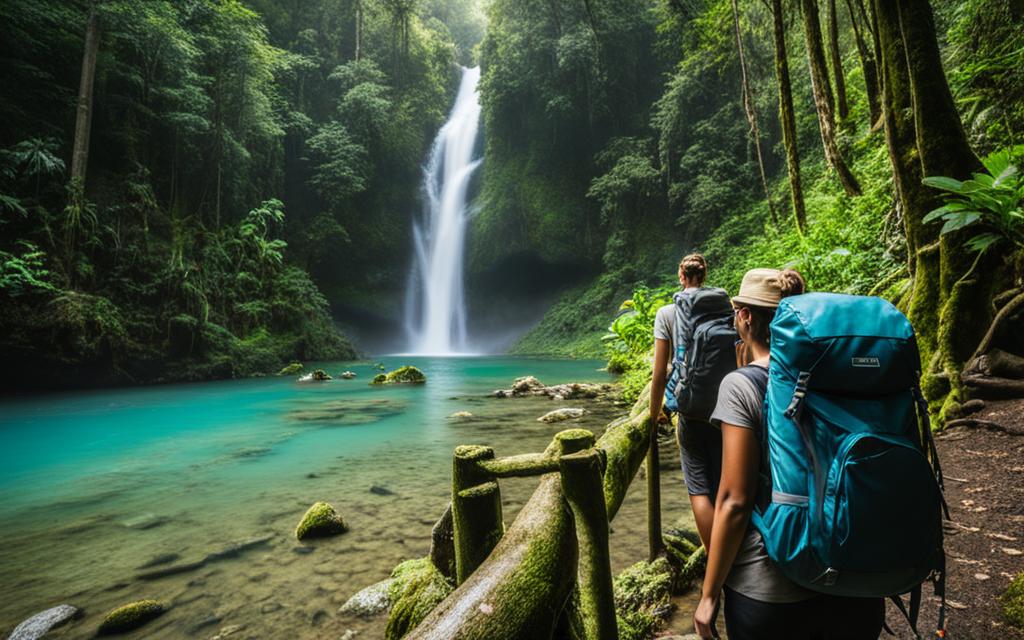
In 2026, National Parks around the world are experiencing an inspiring boom in eco-tourism — a development that’s energizing local economies, deepening people’s connection with nature, and expanding global appreciation for conservation and sustainable travel. Recent research and latest visitor data point to what feels like a global awakening: more people than ever are choosing the great outdoors as their top destination. From the lush Asian forests to the dramatic landscapes of North America and the iconic wildlife reserves of Africa, the momentum for nature-based travel has truly arrived. Read More : Best Online Platforms to Buy Quality Auto Parts in 2025
Global Trends: Nature Beckons More Travelers

Across continents, 2025 and the start of 2026 have shown remarkable increases in visitors to National Parks. In Thailand alone, more than 500,000 people flocked to its national parks during the 2025–2026 New Year’s holiday period — a clear sign that interest in eco-tourism is gaining traction as a cornerstone of global travel culture. Parks like Khao Yai are becoming emblematic of this trend thanks to vibrant wildlife, lush forests, and immersive natural experiences that appeal to domestic and international visitors alike. Read More : From Smart Homes to Smart Cities — Why IoT of Think Matters for the Future
Similarly, Canada’s iconic landscape has seen surges in visitation. Parks like Banff and Jasper reported visitor increases of over 35% compared to the year before, reflecting a wider shift toward outdoor adventures and eco-friendly recreation. Read More : Online Marketplaces for Auto Parts: The Future of Car Maintenance
Closer to home in Indonesia, National Parks such as Komodo recorded significant increases in tourists in 2025, with a total of over 430,000 visitors. Local authorities have even implemented visitor quota systems to balance tourism growth with conservation needs.
These diverse snapshots — from Southeast Asia to North America — show a consistent global pattern: more travelers are selecting destinations where nature and sustainability are front and center. This reflects broader societal values, where people actively seek experiences that allow them to reconnect with the earth, breathe fresh air, and support environments that must be treasured and protected. Read More : Top 10 Car Tires 2025: Performance, Safety, and Durability Tested
Economic Powerhouses: Parks Fuel Local Prosperity

While National Parks are spaces of natural beauty and ecological importance, they are also economic engines for the communities around them. For example, in the United States, national park visitors spent more than $56 billion in 2024 alone — money that trickled into local businesses, accommodations, restaurants, and services in gateway communities. Read More : Exploring the Top 10 Tourist Destinations in Asia: A Travel Guide for 2024
This economic boost highlights a virtuous cycle: people visit parks because they offer unforgettable experiences, and those visits help sustain the very communities that support conservation efforts and tourism infrastructure. From boutique eco-lodges near protected forests to family-run eateries on the edge of trailheads, the financial benefits of eco-tourism spread far beyond the park boundaries.
Conservation Through Connection: Protecting What We Love

The rise in visitors to National Parks is not just about numbers — it’s about deeper connections. When tourists walk among old-growth trees, gaze at pristine mountain vistas, or witness wildlife in its natural habitat, they gain a personal stake in protecting these treasures. This emotional connection often translates into advocacy, donations, and support for conservation initiatives.
Many parks are now adopting innovative strategies to manage rising demand while preserving fragile ecosystems. For example, places experiencing record visitation are using technologies like online booking and structured quotas to avoid overcrowding and degradation. In Indonesia’s Komodo National Park, a systematic quota has been introduced to protect the landscape and marine biodiversity that make it so unique.
These planning efforts reflect a growing understanding that sustainable tourism is not merely a trend, but a long-term commitment to protecting nature’s most spectacular places.
A New Generation of Travelers: Values-Driven Journeys

One of the most exciting aspects of this global eco-tourism surge is the demographic shift in travelers. Younger travelers, families, and seasoned adventurers alike are choosing trips that are more immersive, more thoughtful, and more respectful of local cultures and ecosystems. Rather than ticking off landmarks from a checklist, they are seeking experiences that leave them energized, educated, and motivated to protect the natural world.
This value-driven approach aligns beautifully with the core mission of National Parks: to preserve natural and cultural heritage for present and future generations. Visitors are actively looking for opportunities to learn about biodiversity, participate in conservation activities, and support local communities that steward these landscapes.
Challenges and Opportunities Ahead

With growth comes responsibility. The surge in National Parks visitors also raises critical questions about infrastructure, ecosystem strain, and sustainable management. Many parks — from high-traffic zones in North America to emerging hotspots in Asia and Africa — are grappling with how to welcome large numbers of visitors while minimizing impact.
Research suggests that smart policies and community engagement are key tools in this balancing act. Thoughtful strategies like dynamic pricing, visitor education, and improved trails and facilities can help manage pressure without sacrificing accessibility.
At the heart of this movement is a shared belief: that nature inspires, heals, and unites us. The record numbers entering National Parks in 2026 are not just statistics — they are stories of individuals seeking wonder, families discovering new passions, and communities embracing sustainable tourism as a force for good.